I'm a UI/UX Designer and I tried a Product Lead role.
Sep 4, 2023
I was a UI/UX Designer at Develop for Good in the spring of 2022. With 5 UI/UX Designers and 1 Project Manager, we reworked a client’s website and brand identity. In the summer of 2023, I switched to an exciting role that I’ve never done before, Program Management.
About Develop for Good
Develop for Good empowers the professional growth of university students by pairing them with real-life clients that are in need of a technology solution. Students leverage their growing expertise in engineering, design, and leadership skills while contributing to social causes and community initiatives. Examples of solutions are the migration to an existing SaaS product to optimize business processes and the creation an MVP prototype through design and code.
Why take on a product role?
Why not? It was excellent opportunity to bridge tech and my interest in social impact (hence, why I studied Economics and Development studies). I had already developed tactical UI/UX design skills through internships and through freelance gigs for startups. Leadership and stakeholder management were next on my list.
My greatest lessons weren’t on the job description.
With great naïveté, I reduced the role of a Product Lead to simply the management of multiple teams and the successful design and implementation of a deliverable — just as it said on the description. How hard could it be?
My first month into the role? Chaos.
Putting out the fire is the hardest part of the job.
To save a project, I worked with a c-suite executive to propose an alternate proposal that incorporated a client's shift in expectations and budgetary constraints. There was a slight lack of due diligence in the RFP process. A cascade of changes followed — but only after multiple slack threads, team structuring, and series of slack channel creation & destruction.
A 12-week timeline morphed into 8 weeks. I welcomed 5 new recruits. 4 original members migrated to another project. The product and design managers’ early project vision vanished. New meeting times replaced the old.
Did I mention that I also had a 9–5 internship? Did I also mention that I was also enrolled in 1 undergraduate course? Whew.
A bulk of my time consists of this: Meetings and alignment. THEN EVEN MORE MEETINGS AND ALIGN — Need I say the rest?
I attended 5-7 meetings every week for at least 8 weeks. I didn't realize that some management volunteers did not have any experience in managing a single project and /or a team. I compensated for the lack of there of by acting not only as a coach but also as an educator. I reassured myself, It will die down after this. I attended client calls at 9pm on Tuesdays and 10pm on another. I scheduled weekly meetings with managers in the weekends and during my 9–5 hours.
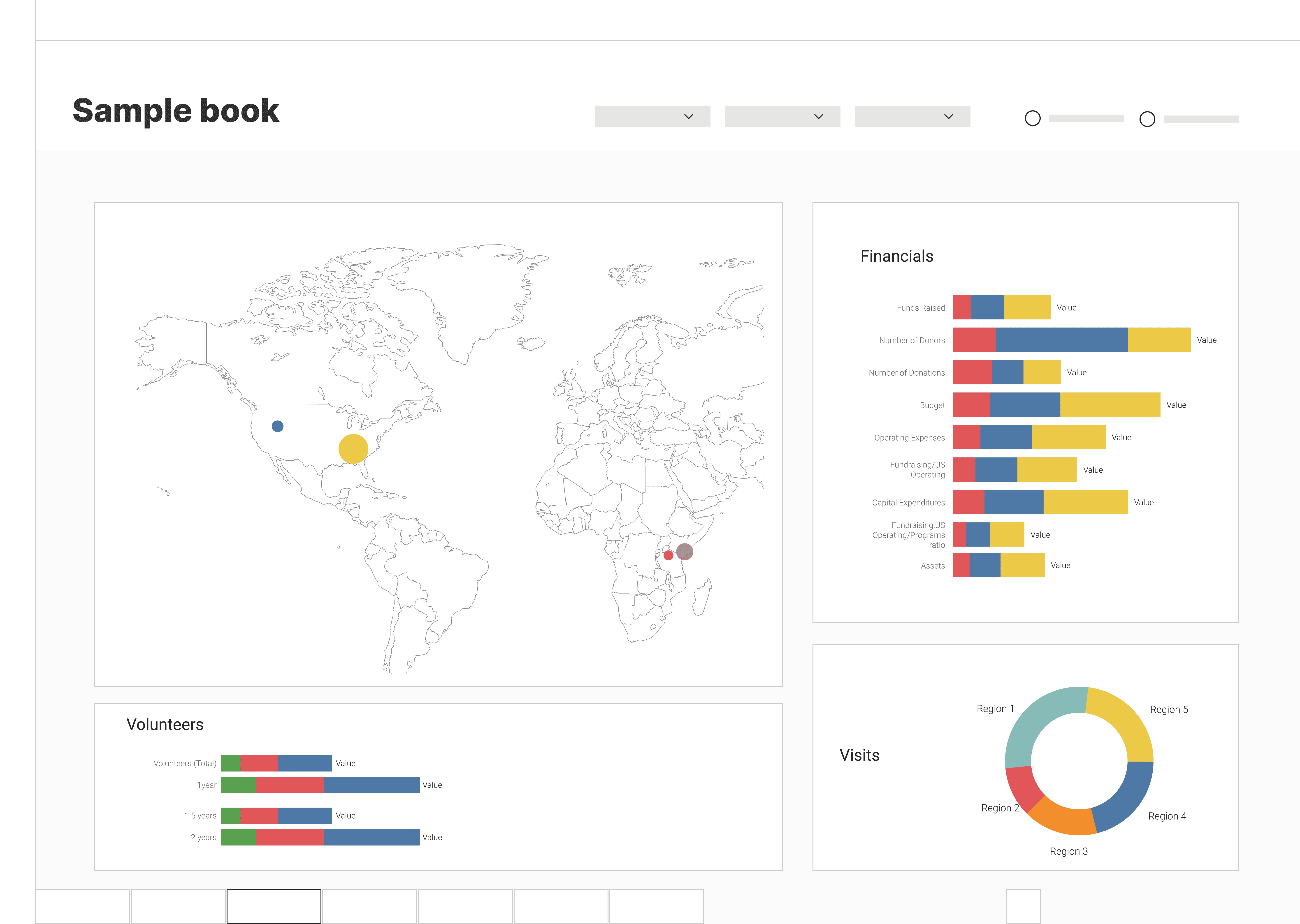
Being a UI/UX designer myself, I worked closely with Design Managers, providing product direction through the creation of mid-fidelity mockups.
Ultimately, it was a leap of faith. I learned to trust the managers, their teams, and the process.
The restless mental back-and-forth of identifying what is the most optimal, productive use of my time insidiously emerged. What began as an exciting opportunity to improve my leadership and management skills had become a source of persisting anxiety and insecurity:
I don’t produce tactical work — so what are my metrics of success? Am I supporting my teams enough? What do I do if a product manager who isn’t performing up to expectations? When and how do I relay feedback? How do I ease clients’ worries? How do I know if I said the right thing? How do I know if I’m doing enough? What do they think of me as a program manager? Is my leadership style working for this team, what if it is not working well for another?
I learned to lean into the expertise and passion of the team. In doing so, I began to appreciate the very little time I had as a Product Lead. It was a 4-month endeavour after all. A blip in retrospect.
My favourite moments were not the grind. It was the moments of connection with the team.
My most fulfilling moments happened during my weekly meetings with product, design, and engineering managers. I was happy to reassure rightfully worried managers about the next steps in their project. I provided tips on how to lead client meetings, create decks, and ways to effectively host design & scoping workshops.
While I was also an early professional myself, Task management was a skill that I was happy to counsel to students about.
Along the way, I inspired others and I was inspired by others.
It was only by being a manager that I understood the true influence of a manager. My advice and style of working set an example for managers' ways of working.
I was genuinely invested in managers' professional growth. Project check-ins became an opportunity to provide tailored career advice and to learn about volunteers’ personal experiences about navigating and transitioning into tech. I often inquired how they have developed since the start of the program and I was happy to praise their progress.
Management is truthfully a turbulent, yet surprisingly rewarding role.
Stakeholder management and assertive communication were skills that I rigorously exercised as a Product Lead. Though I'd like to say that managed a portfolio of clients with ease (thankfully, none of them back out), the reality was manageable chaos. Lastly, I was often WOWed by the determination and passion of the team. I witnessed their individual strengths and I was inspired by their resilience.
While I didn't deliver much tactical work, I discovered a new passion: mentoring. Would I do this again? Maybe. Maybe not...But perhaps maybe yes.
About
I'm a self-taught UI/UX designer with an Economics undergrad. Outside of work, catch me learning a new trick on pole or hoop, weightlifting, or tinkering on personal projects.
My Time